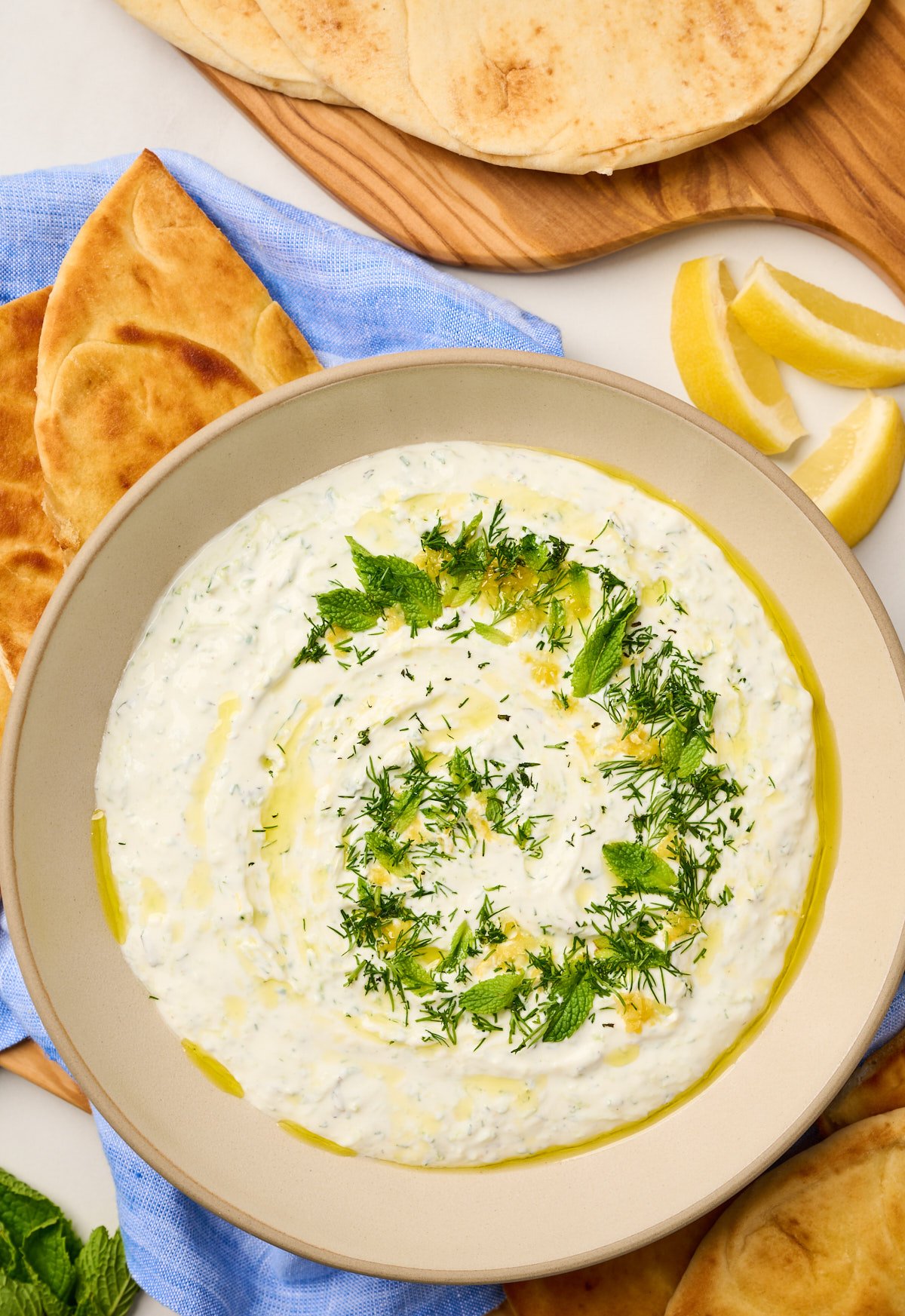
Step into any authentic Greek taverna, and you’ll likely encounter a vibrant array of mezedes (small plates), each designed to awaken your palate. Among these, one stands out as a universally beloved staple: tzatziki. This creamy, refreshing cucumber and yogurt dip isn't just a side dish; it's a cornerstone of Greek cuisine, offering a cool, tangy counterpoint to rich grilled meats and a delightful companion to virtually anything. Whether you've savored it on vacation or simply yearn to recreate that authentic Mediterranean flavor at home, mastering tzatziki is simpler than you might think.
What Exactly is Tzatziki? Unpacking its Core Ingredients and Characteristics
At its heart, tzatziki is a traditional Greek meze and sauce built on a foundation of simple yet powerful ingredients. The magic begins with strained yogurt, which provides its characteristic thick and creamy base. To this, finely grated cucumber is blended, but not before being meticulously prepared to remove excess moisture – a crucial step for achieving that desired texture rather than a watery consistency. Minced garlic infuses the dip with its pungent, aromatic kick, balanced by the bright acidity of olive oil, vinegar (or lemon juice), and a pinch of salt.
What truly elevates tzatziki from a simple yogurt dip to a culinary experience are the fresh herbs. Dill is a classic choice, lending an earthy, slightly anise-like freshness, while mint offers a vibrant, cooling lift. Sometimes, a combination of both is used, creating a more complex flavor profile.
This harmonious blend results in a dip that is not only refreshing and tangy but also surprisingly robust. While intimately associated with Greek culinary traditions, the name "tzatziki" itself derives from the Turkish word "cacık," highlighting a shared culinary heritage across the Mediterranean and Balkan regions, where similar yogurt-based preparations thrive. From being an essential accompaniment to grilled delights like souvlaki and gyros to a perfect partner for warm pita bread or fresh vegetables, tzatziki consistently provides that quintessential cool and invigorating contrast.
The Art of Crafting Perfect Tzatziki: A Step-by-Step Guide
Creating homemade tzatziki is an incredibly rewarding experience, allowing you to control the freshness and intensity of flavors. While it sounds simple, a few key techniques can elevate your dip from good to absolutely outstanding.
Essential Ingredients for Authentic Tzatziki:
- Yogurt: Opt for full-fat Greek yogurt for the richest, creamiest texture. If you can only find regular yogurt, you must strain it thoroughly using a cheesecloth-lined sieve for several hours (or even overnight) in the refrigerator to remove excess whey. This is non-negotiable for a thick, luxurious tzatziki.
- Cucumber: English or Persian cucumbers are ideal as they have fewer seeds and thinner skins. Peel them if you prefer a smoother texture, or leave some skin on for a touch of color and extra fiber.
- Garlic: Fresh garlic, finely minced, is paramount. Start with 1-2 cloves and add more to taste; its potency can vary.
- Herbs: Fresh dill is traditional and highly recommended. Fresh mint is another excellent choice, often used alone or in combination with dill. Avoid dried herbs here; their flavor simply won't compare.
- Olive Oil: Use a good quality extra virgin olive oil. It adds a fruity depth and silky mouthfeel.
- Acidity: Fresh lemon juice or white wine vinegar provides the essential tang.
- Salt: Fine sea salt or kosher salt is best for seasoning.
The Process: Crafting Your Masterpiece
- Prepare the Cucumber (The Most Crucial Step!):
- Peel (if desired) and deseed the cucumber. Grate it using a box grater.
- Place the grated cucumber in a fine-mesh sieve or a clean kitchen towel. Sprinkle generously with a pinch of salt. The salt helps draw out moisture.
- Let it sit for 10-15 minutes.
- Now, here's the game-changer: Squeeze, squeeze, squeeze! Gather the towel around the cucumber and wring out as much liquid as humanly possible. You'll be surprised how much water comes out. This step prevents your tzatziki from becoming watery and ensures a thick, creamy consistency.
- Combine Ingredients: In a medium bowl, combine the strained Greek yogurt, minced garlic, finely chopped fresh dill (and/or mint), olive oil, and lemon juice or vinegar.
- Fold in Cucumber: Add the thoroughly squeezed, grated cucumber to the yogurt mixture.
- Season and Taste: Stir everything together until well combined. Season with salt and pepper to taste. Remember, the flavors will deepen, so don't be afraid to adjust.
- Chill for Perfection: Cover the bowl and refrigerate your tzatziki for at least 30 minutes, ideally 2-3 hours, or even overnight. This chilling period allows the flavors to meld and mature, resulting in a significantly more delicious dip. As many reviewers attest, "it only gets better with time."
- Serve: Before serving, give it a good stir. Garnish with a drizzle of extra virgin olive oil and a fresh sprig of dill or mint.
Pro Tip: Don't underestimate the power of freshly minced garlic. While convenient, pre-minced garlic lacks the vibrancy and pungency that makes homemade tzatziki truly sing.
Beyond the Dip: Versatile Uses for Your Homemade Tzatziki
While most commonly enjoyed as a dip, the versatility of homemade tzatziki extends far beyond a simple meze. Its refreshing profile makes it an incredibly adaptable ingredient in countless culinary applications.
- The Classic Accompaniment: Without a doubt, tzatziki shines brightest alongside grilled meats. Think succulent souvlaki skewers, savory gyros (either chicken or lamb), or even simple grilled chicken breasts and lamb chops. The cool, tangy dip cuts through the richness of the meat beautifully.
- Pita Partner: Warm pita bread, fresh crusty bread, or even vegetable sticks (carrots, celery, bell peppers) are perfect for scooping up every delicious spoonful.
- Healthy Dressing: Thin your tzatziki with a little water or extra lemon juice, and it transforms into a fantastic, low-calorie salad dressing. It's particularly good on cucumber and tomato salads or mixed greens.
- Sandwich and Wrap Spread: Ditch the mayonnaise! Tzatziki makes an excellent, flavorful spread for sandwiches, wraps, and even burgers. It adds moisture and a burst of Mediterranean flavor.
- Marinade Base: The yogurt in tzatziki contains enzymes that can help tenderize meats. Use it as a marinade for chicken, lamb, or even firm white fish before grilling or baking for a tender, flavorful result.
- Creative Toppings: Spoon it over baked potatoes instead of sour cream, dollop it onto falafel, or even serve it alongside scrambled eggs for a Mediterranean twist on breakfast.
Beyond its incredible taste and versatility, tzatziki also offers notable health benefits. The strained yogurt is packed with protein and probiotics, supporting gut health, while the cucumber provides hydration and essential vitamins. It's truly a guilt-free indulgence.
The Rich Tapestry of Tzatziki's Heritage and Global Kin
To truly appreciate tzatziki is to understand its deep historical roots and its expansive culinary family tree. While unmistakably Greek today, its journey began centuries ago, far beyond the shores of the Aegean.
The name "tzatziki" (τζατζίκι) itself is a linguistic borrowing from the Turkish "cacık," a term that appears in Ottoman records as early as the 17th century. Initially referring to a type of edible herb, by the 19th century, "cacık" had evolved to denote a yogurt-herb mixture, paving the way for the dish we recognize today. This linguistic link highlights the significant cultural exchange that occurred across the former Ottoman Empire.
The concept of combining yogurt with cucumber and herbs is not unique to Greece and Turkey. Throughout the Balkan region and beyond, similar preparations exist, each with its own local flavor and name. In Bulgaria, Albania, and other areas, you'll find "tarator," often served as a cold soup rather than a thick dip. Cypriots call their version "talattouri," while in Iraq, it's known as "jajeek" or "jajik." These regional variations are a testament to the enduring appeal of this refreshing combination and the linguistic adaptations that occur as dishes travel across cultures. For a deeper dive into its journey, read more about The Global Journey of Tzatziki: From Ancient Yogurt to Greek Staple.
The very foundation of tzatziki – yogurt – traces its origins back thousands of years to ancient dairy fermentation practices among nomadic herders in Central Asia. As early as 3000 BCE, these cultures discovered how to preserve milk in animal-skin containers, leading to the creation of fermented dairy products. The knowledge of yogurt production, along with culinary traditions, spread westward through Turkic migrations from the 8th to 15th centuries. These migrations carried the art of yogurt making into Anatolia, the Balkans, and the Middle East, where it integrated with local ingredients, eventually giving rise to dishes like cacık and, subsequently, Greek tzatziki.
From its humble beginnings in nomadic cultures to its current status as a global culinary favorite, tzatziki is more than just a dip; it's a delicious narrative of shared history, migration, and the universal pleasure of simple, fresh ingredients. Its ability to refresh, complement, and enhance a vast array of dishes ensures its place in kitchens worldwide.
