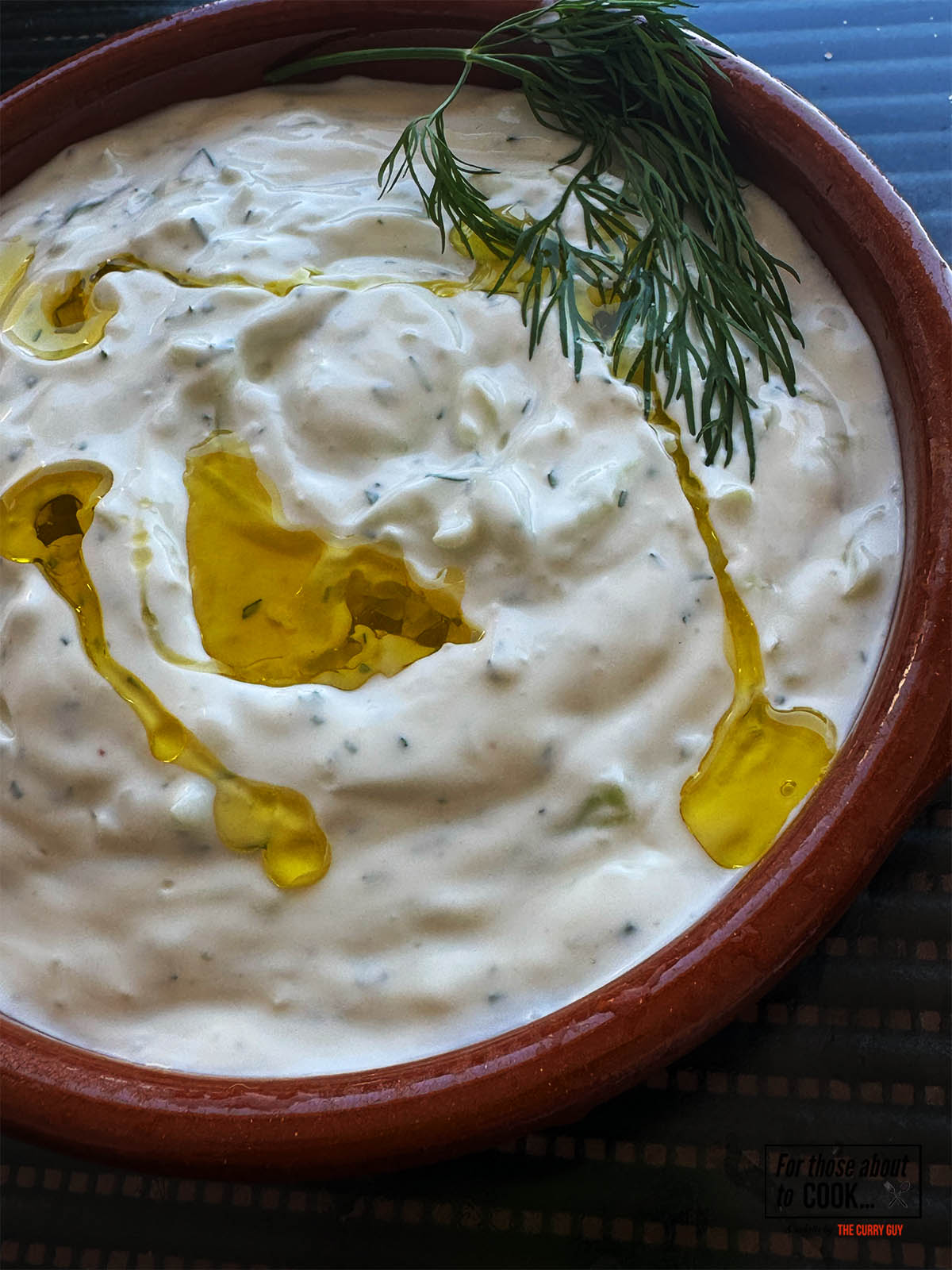
Tzatziki: More Than a Dip – Its Health Benefits & Culinary Versatility
Few dishes capture the essence of Mediterranean freshness quite like tzatziki. This iconic Greek creation, a vibrant symphony of creamy yogurt, crisp cucumber, pungent garlic, and aromatic herbs, transcends its simple ingredients to deliver a refreshingly tangy experience. While often enjoyed as a humble dip, tzatziki is a culinary powerhouse offering far more than just delightful flavor – it's packed with health benefits and boasts an impressive versatility that makes it a staple in kitchens worldwide.
What Exactly is Tzatziki? Unpacking the Greek Classic
At its heart,
tzatziki is a traditional Greek meze and sauce built upon a foundation of strained yogurt. This isn't just any yogurt; the straining process removes excess whey, resulting in a thick, luxurious consistency that forms the perfect base. To this, finely grated cucumber is added, typically peeled and deseeded, with its own excess moisture carefully squeezed out – a crucial step for maintaining tzatziki's signature richness and preventing it from becoming watery.
The flavor profile is then elevated with minced garlic, a splash of high-quality olive oil, a tang of vinegar or lemon juice, a pinch of salt, and a generous scattering of fresh herbs, most commonly dill or mint. The result is a cool, creamy, and incredibly refreshing concoction that perfectly balances richness with acidity and herbaceous notes.
While deeply associated with Greek culinary traditions, the heritage of tzatziki is as rich and interwoven as its flavors. Its name, "tzatziki," directly derives from the Turkish "cacık," reflecting a shared history and culinary exchange across the Mediterranean and Balkan regions. In these areas, similar yogurt-based preparations thrive under various names, such as cacık in Turkish cuisine or tarator in Bulgarian and Albanian cultures, where they might even be enjoyed as a cold soup rather than exclusively as a dip. Whether served alongside sizzling grilled meats like souvlaki or gyros, paired with warm pita bread, or accompanying a vibrant platter of fresh vegetables, tzatziki provides an essential cool and tangy contrast to richer, savory flavors. Its straightforward preparation, combined with its undeniable health benefits and adaptability, has propelled tzatziki into global popularity, transforming it from a regional specialty into a beloved international favorite.
The Roots of Refreshment: A Journey Through Time and Taste
The story of tzatziki is a delicious tapestry woven through centuries of culinary evolution and cultural exchange. Its most fundamental component, yogurt, has ancient origins, tracing back to nomadic herders in Central Asia and the Eastern Eurasian Steppe as early as 3000 BCE. These early cultures discovered that milk could be preserved through natural bacterial fermentation, a process that yielded nutrient-rich and easily transportable dairy products. This knowledge, supported by archaeological evidence of dairy residues in ancient pottery, was a cornerstone of their sustenance.
The spread and integration of yogurt into diverse culinary landscapes were significantly influenced by Turkic migrations between the 8th and 15th centuries. As these groups moved westward from Central Asia into Anatolia, the Balkans, and the Middle East, they carried with them their expertise in yogurt fermentation. This ancient knowledge encountered new local ingredients and traditions, leading to the development of dishes like cacık. By the 11th century, the Seljuk Turks had firmly established yogurt as a staple in Anatolian cuisine, paving the way for the creation of combinations like the yogurt-cucumber mixture we now know.
The linguistic journey of tzatziki further underscores its multicultural heritage. The modern Greek "τζατζίκι" (tzatzíki) is a direct borrowing from the Turkish "cacık." This Turkish term itself has a fascinating history, appearing in 17th-century Ottoman records initially referring to an edible herb, and later evolving by the 19th century to denote a yogurt-herb blend. Its ultimate etymology may even link back to older Persian words. Across the Balkans, similar preparations often go by the name "tarator," a term thought to derive from the Venetian "trattòr" (meaning "cook" or "restaurateur"), highlighting another layer of cross-cultural influence. Even today, regional naming variations persist, from Cypriot "talattouri" to Iraqi "jajeek" or "jajik." This rich historical background not only adds depth to every spoonful but also illustrates how tzatziki is a testament to the continuous dialogue between cuisines and cultures. To delve deeper into this fascinating culinary evolution, explore
The Global Journey of Tzatziki: From Ancient Yogurt to Greek Staple.
Tzatziki's Powerhouse Health Benefits
Beyond its irresistible taste and refreshing qualities, tzatziki is a surprisingly nutritious addition to any diet. Its core ingredients contribute to a profile rich in essential nutrients, making it a smart choice for health-conscious eaters.
*
High Protein Content: The use of strained yogurt, often Greek yogurt, means tzatziki is packed with protein. Protein is vital for muscle repair, growth, and satiety, helping you feel fuller for longer and potentially aiding in weight management.
*
Excellent Hydration: Cucumber, which makes up a significant portion of tzatziki, is composed of over 95% water. This makes tzatziki an excellent way to boost your hydration levels, especially during warmer months or after physical activity.
*
Probiotic Power: Live and active cultures found in yogurt are beneficial bacteria known as probiotics. These friendly microbes play a crucial role in maintaining a healthy gut microbiome, which can improve digestion, enhance nutrient absorption, and support a robust immune system.
*
Antioxidant and Immune Support: Garlic, a key ingredient, is renowned for its antioxidant properties and immune-boosting compounds like allicin. Fresh herbs like dill and mint also contribute a dose of vitamins and antioxidants, further enhancing the dish's nutritional value.
*
Healthy Fats: A drizzle of extra virgin olive oil not only adds flavor but also provides monounsaturated fats, which are known to be heart-healthy and can help reduce bad cholesterol levels.
*
Low Calorie and Nutrient-Dense: When prepared traditionally, without excessive oil, tzatziki is relatively low in calories but high in nutrients, making it an ideal guilt-free accompaniment to many meals.
Beyond the Dip: Tzatziki's Culinary Versatility
While tzatziki shines brightly as a dip for pita bread or fresh vegetable sticks, its true genius lies in its remarkable culinary versatility. Its cool, creamy texture and tangy flavor can elevate a wide array of dishes, making it a secret weapon in any kitchen.
*
The Perfect Accompaniment: It's the quintessential partner for grilled meats, cutting through the richness of lamb chops, chicken souvlaki, or beef kebabs. Spoon it generously onto gyros or wraps for an authentic Greek experience.
*
Salad Dressing Alternative: Thin out tzatziki with a little extra lemon juice or a splash of water, and it transforms into a vibrant, probiotic-rich salad dressing. It's particularly fantastic over cucumber and tomato salads or grilled vegetable salads.
*
Marinade Magic: The yogurt in tzatziki acts as a natural tenderizer for meats. Use it as a marinade for chicken, fish, or even pork before grilling or baking. The flavors will infuse beautifully into the protein, resulting in incredibly moist and flavorful dishes.
*
Sandwich and Wrap Spread: Ditch the mayonnaise! Tzatziki makes a healthier, more flavorful spread for sandwiches, wraps, and burgers. It adds a delightful creaminess and tang that brightens up any filling.
*
Cooling Agent: For those who enjoy a bit of spice, a dollop of tzatziki can act as a cooling counterpoint to fiery curries, chili, or spicy tacos, balancing the heat with its refreshing qualities.
*
Breakfast Booster: Don't limit it to lunch and dinner! A spoonful of tzatziki alongside scrambled eggs or as a topping for savory breakfast bowls can add a refreshing twist to your morning.
Crafting Your Own Tzatziki: Tips for Perfection
Making your own tzatziki at home is surprisingly simple and incredibly rewarding. For a comprehensive guide to mastering this Greek delight, refer to
Mastering Tzatziki: Your Easy Guide to the Perfect Greek Cucumber Dip, but here are a few essential tips to ensure a perfect batch every time:
*
Strain Your Yogurt Religiously: This is arguably the most critical step. Place plain full-fat yogurt (Greek yogurt works perfectly, but regular yogurt can be strained) in a cheesecloth-lined sieve over a bowl and refrigerate for at least 4-6 hours, or even overnight, to remove excess whey. This ensures a thick, creamy consistency.
*
Despede and Drain Your Cucumber Thoroughly: After grating your cucumber, place it in a clean kitchen towel or cheesecloth and squeeze out as much liquid as possible. This prevents your tzatziki from becoming watery.
*
Embrace Fresh Ingredients: Always use fresh garlic, good quality extra virgin olive oil, and vibrant, fresh dill or mint. These ingredients truly make a difference in flavor.
*
Balance is Key: Taste as you go. Adjust the amount of lemon juice or vinegar for tang, and salt to bring out all the flavors.
*
Chill for Flavor Development: While you can enjoy tzatziki immediately, its flavors truly meld and deepen after an hour or two (or even overnight) in the refrigerator.
In conclusion, tzatziki is far more than just a simple dip; it's a testament to ancient culinary wisdom, a powerhouse of health benefits, and a remarkably versatile ingredient that can elevate countless dishes. Its journey from the steppes of Central Asia to the tables of Greek tavernas and ultimately, kitchens around the globe, speaks volumes about its enduring appeal. Whether you're savoring its refreshing taste with grilled meats or experimenting with its many uses in your cooking, tzatziki offers a delicious and healthy way to infuse your meals with Mediterranean zest.